E6 Propulsion System on a 10 L Hexacopter: Spraying 1.42 ha of Rice
On 22 July 2025 a 10 L hexacopter with SIYI's E6 propulsion system sprayed 1.42 ha of rice in Huizhou, Guangdong, at 37°C and 78% humidity. Results as SIYI reports them.
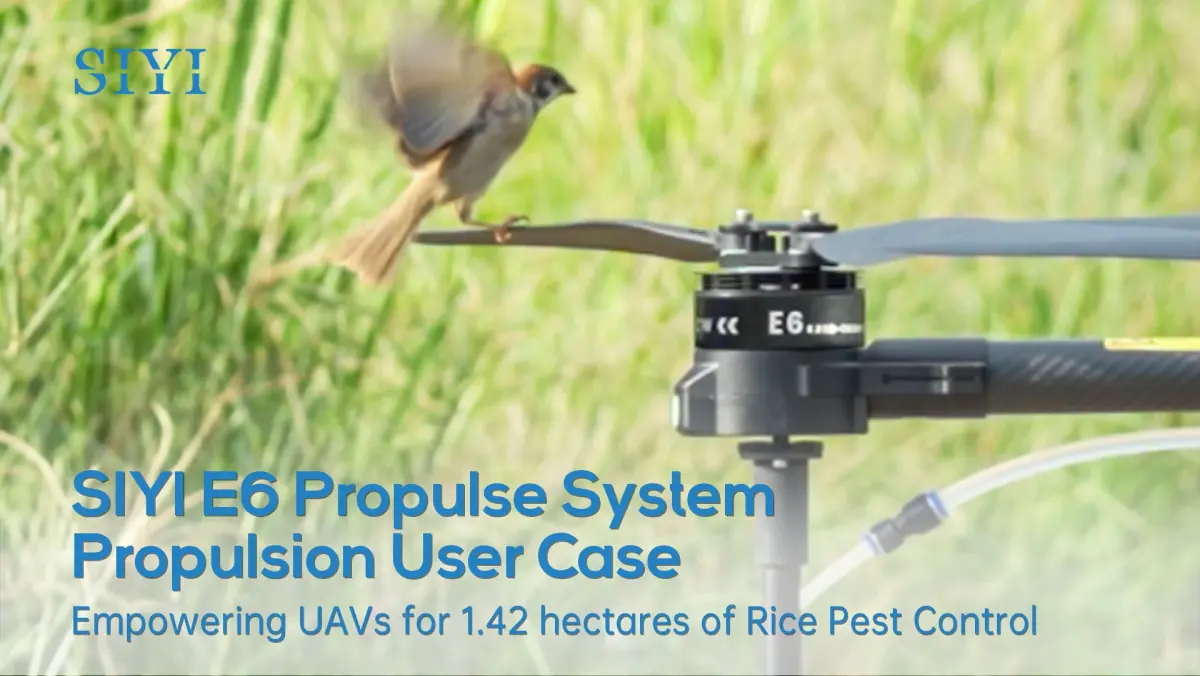
On 22 July 2025 SIYI worked with a local agricultural cooperative in Huizhou, Guangdong Province, on a crop protection mission over 1.42 hectares of rice. The aircraft was an EFT E610P 10 L hexacopter fitted with SIYI's E6 integrated propulsion system. Every figure in this article comes from SIYI's own report of the mission, published on 2 August 2025.
It is one field mission, not a long-term trial, but it shows the conditions the drive train of an agricultural UAV has to cope with.
Mission context
The rice was at the jointing-to-booting stage and the job was pest and disease control by pesticide spraying. July falls in the monsoon season there, and SIYI lists these difficulties:
- Ambient temperature up to 37°C and humidity up to 78%
- Intermittent showers
- Field dikes and irrigation channels across the plot
- A need for precise spraying and steady hovering
Equipment
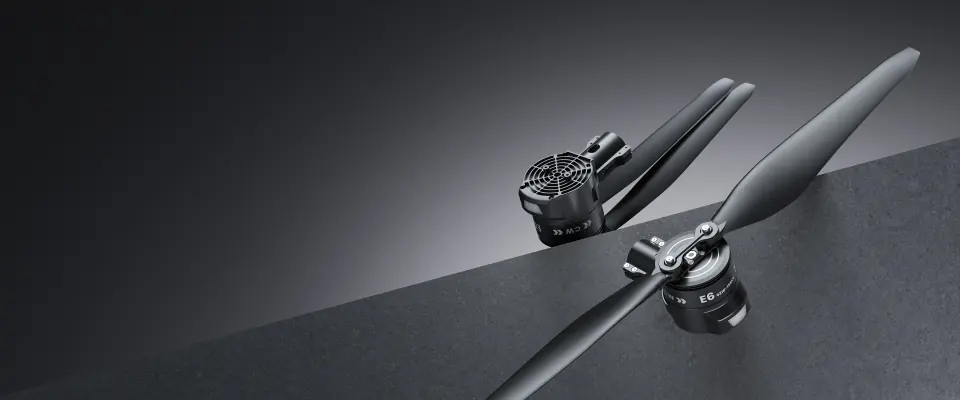
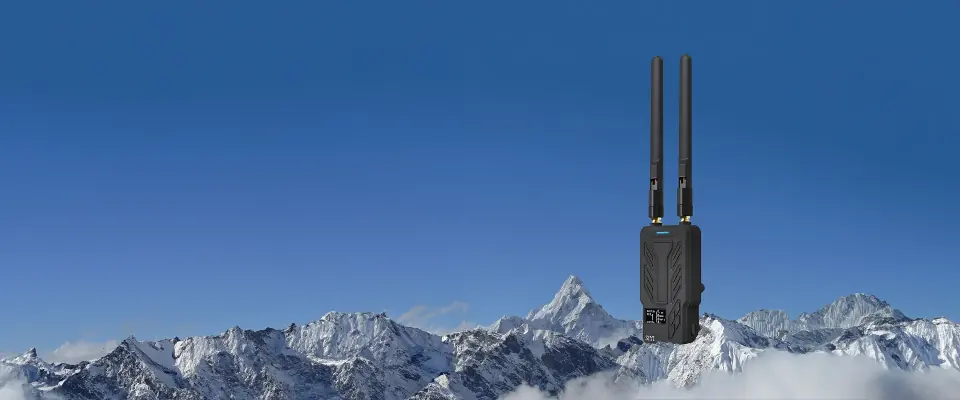
The E6 combines brushless motors, FOC ESCs and folding carbon fibre propellers. The aircraft was controlled from a SIYI MK15 handheld ground station; see the link and controller range.
| Item | Reported value |
|---|---|
| Propulsion system | SIYI E6 integrated propulsion system |
| Max thrust | 12.5 kg per axis (test conditions not stated) |
| Ingress protection | IPX6 |
| Operating temperature range | -20°C to 60°C |
| Aircraft | EFT E610P 10 L agricultural spraying hexacopter |
| Ground station | SIYI MK15 |
| Nozzles | XR11001 flat fan × 4 |
| Spray width | 3.5–4.0 m |
| Flight height | 2.2–2.5 m |
| Flight speed | 4.5 m/s |
| Spray rate | 22.5 L/hectare |
How the operation ran
- Planning. The field was divided into 3 operating zones, ditches and ridges were mapped as avoidance geofences, and spray angle and speed were adjusted to the wind at the time.
- Pre-flight checks. The crew inspected motors, ESCs and battery, then calibrated the spraying system and checked its flow.
- Loading and take-off. The aircraft carried about 10 L of pesticide per load. SIYI describes lift-off at full payload as smooth and stable.
- Autonomous spraying. The aircraft followed pre-planned routes while real-time flow control held the programmed spray rate, to avoid overlap and gaps.
- Data and cleaning. After the mission the system generated flight path data and a report on spray coverage, and the aircraft was rinsed with high-pressure water.
Results as reported
- Area treated: 1.42 hectares
- Conditions: 37°C ambient temperature and 78% humidity, with continuous operation of up to 35 minutes
- Propulsion: SIYI reports that power did not drop off and nothing overheated
- Coverage rate: 99%, calculated from GPS and spray calibration data
SIYI attributes the outcome to the thrust reserve of the E6 at full payload, steady output from the motors and FOC ESCs in unsettled hot air, and IPX6 sealing, which is what allowed the wash-down afterwards. The report contains no comparison with another propulsion system, so the figures describe this mission only.
See the propulsion system range for other sizes, or contact us with your airframe's wheelbase and payload.
This article is a summary written from a report published by SIYI. Read the original on the SIYI website